












A Generation That Grew Up Online
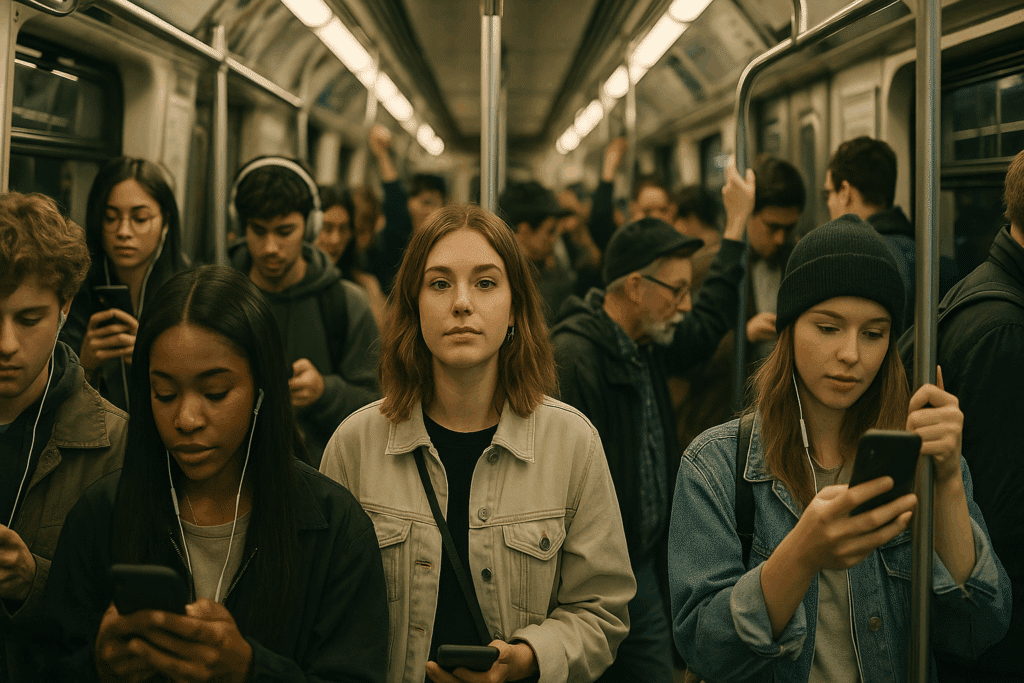
For Baby Boomers, getting a driver’s license was a rite of passage. For Gen Z, it’s just another notification they can ignore. This generation grew up in an era where entire social lives, friendships, and even jobs exist online. A car isn’t the gateway to independence anymore; a smartphone is. When you can FaceTime your friend in another country, teleporting via Uber feels more practical than buying a metal box you’ll mostly park.
But it’s not only about convenience. Independence itself has been redefined. Gen Z measures freedom in Wi-Fi speeds, not miles per gallon. Online platforms like Discord and Roblox allow them to socialize, collaborate, and explore identities without leaving their bedrooms. Cars once promised “access to the world.” The internet now delivers that world more cheaply, instantly, and with fewer traffic jams.
The Economics of Car Ownership
Gen Z also came of age during financial instability: the Great Recession, student loan crises, and skyrocketing housing costs. Owning a car no longer feels like a ticket to adulthood—it feels like a financial anchor. Insurance, gas, maintenance, parking, and loan payments make car ownership look like a subscription service you can’t cancel. For many, ridesharing is cheaper, less stressful, and far more flexible.
Consider this: the average annual cost of owning a new car in the U.S. is over $10,000. That’s nearly the price of a year’s tuition at some universities. Faced with that choice, Gen Z often opts for experiences over possessions. Surveys show younger consumers prefer spending money on travel, concerts, and tech—things that feed their social and digital lives, not tie them down with monthly payments. A Morning Consult survey in 2024 confirmed that Gen Z is less likely than Millennials to own cars, citing high costs of ownership and urban living as major reasons (Morning Consult).
Environmental Awareness and Social Pressure
Unlike past generations, Gen Z grew up with climate change as background noise. Cars—especially gas-powered ones—are seen as symbols of environmental irresponsibility. In many friend groups, bragging about your new SUV can feel as out-of-touch as bragging about smoking indoors. Choosing public transit or cycling isn’t just practical; it’s a badge of eco-consciousness and social responsibility.
Social signaling matters here. Posting a photo of your bike commute can rack up likes and nods of approval, while showing off a lifted truck might trigger backlash. This generational divide is about values as much as practicality. A McKinsey report on European Gen Z mobility found that younger drivers not only care about affordability but also prioritize sustainability and digital experience when making transportation choices (McKinsey).
Cars No Longer Equal Cool
In the 1980s and 90s, your car was your personality. Fast forward to today, and a viral TikTok dance has more cultural capital than a modified Civic. Cars used to be extensions of identity, but Gen Z builds their personal brand on Instagram and BeReal. Why drop $500 on a spoiler when you can buy a ring light that brings more likes?
The car as a cultural status symbol is fading. Rap lyrics used to glorify Bentleys and Lamborghinis; now, many artists flaunt private jets, designer clothes, or simply their digital reach. The younger generation flexes clout differently—through followers, likes, or unique experiences. A viral clip at Coachella is worth more socially than a set of custom rims.
MarketCast research shows that 38% of Gen Z don’t even have a driver’s license and over half feel car ownership is simply unaffordable. For them, the cultural spotlight shifted away from cars toward digital identity (MarketCast).
Urban Life and Alternative Mobility
Another factor is geography. More Gen Zers live in urban areas where driving is more hassle than privilege. Cities are reshaping themselves around cycling lanes, pedestrian zones, and micro-mobility scooters. Apps like Uber, Lyft, and Bolt make car access more flexible than ownership ever could. For a 20-year-old in Brooklyn, a monthly MetroCard is more valuable than a BMW.
The pandemic also accelerated this shift. Many young professionals discovered the practicality of hybrid work, reducing daily commutes. With remote jobs and food delivery services, the need for personal cars diminished even further. Instead of seeing cars as daily necessities, Gen Z often views them as occasional tools—rented when needed, ignored when not.
Progressive Insurance data shows a steady decline in the number of teenagers getting driver’s licenses, suggesting that this is not just a temporary trend but a long-term cultural shift (Progressive).
Technology: Connected World vs Connected Cars
Automakers have spent billions advertising cars as “connected devices.” Yet for Gen Z, cars feel clunky compared to the seamless digital ecosystems they live in. Bluetooth pairing issues, clumsy infotainment systems, and lagging software updates don’t impress a generation raised on instant cloud syncing.
The irony is striking: Gen Z prefers apps that give access to mobility—like Uber, Bird, or Lime—over cars that try to act like smartphones. To them, the phone is the hub. The car is just another accessory, one that happens to eat money and create stress.
What This Means for Driving Culture
If cars are no longer central to young people’s lives, car culture itself could splinter. The days of parking lot meetups and midnight drag races may be replaced by virtual car communities, sim racing, and esports. Automakers are already pivoting, selling cars as “connected devices” with software ecosystems, not as raw driving machines. Even motorsport is evolving, with Formula E gaining traction among younger audiences who see electric racing as the future.
Meanwhile, older generations cling to the romance of the open road. For Gen Z, the “road trip” may survive more as an aesthetic on Pinterest than a real weekend tradition. The question becomes: will car passion fade entirely, or just evolve into a niche subculture like vinyl collecting?
Could Gen Z Come Back to Cars?
It’s possible. If suburban migration grows, if EVs become genuinely affordable, or if owning a car becomes status-symbol rare, Gen Z may rediscover the thrill of driving. As automation advances, cars may even shift from being seen as burdens to futuristic pods of convenience. Ironically, the more self-driving cars become, the more they might appeal to digital natives who value efficiency over mechanical connection.
But the shift in values seems deep: cars may never again be universal markers of independence. Instead, they’ll be niche passions—like vinyl records or mechanical watches. Enthusiasts will still exist, but the mass culture of car ownership as default adulthood may be gone for good. Even the CDC has documented long-term declines in teen licensing and driving activity, reinforcing the scale of change (PMC Study).
Conclusion
Gen Z doesn’t want to own cars for reasons that go beyond money—it’s about culture, values, and identity. Cars no longer symbolize freedom; they symbolize debt, emissions, and hassle. Whether this trend sticks or bends, one thing is certain: the driving culture your parents knew is fading in the rearview mirror. And what replaces it may look less like Route 66 and more like a subway map, a rideshare receipt, or a viral TikTok about “the car I don’t own.”
FAQ
Why is Gen Z less interested in cars?
Because cars feel expensive, unnecessary in cities, and misaligned with environmental values.
Do Gen Z use ridesharing more than older generations?
Yes, services like Uber and Lyft have become practical substitutes for car ownership.
Is climate change influencing Gen Z’s view on cars?
Definitely—cars are seen as contributors to emissions, and avoiding them aligns with Gen Z’s eco-conscious values.
Will Gen Z ever buy cars like older generations?
Some will, but cars may become more of a niche interest or luxury than a default necessity.
How does social media affect car culture for Gen Z?
Online identity often replaces the car as a personal statement, making physical vehicles less central to self-expression.
Do automakers care about this trend?
Yes—brands are shifting to EVs, digital features, and subscription models to stay relevant to younger audiences.


0 Comments