













The Mercedes G-Class (W460, W461, W463) is more than just a luxury SUV. It’s an engineering legend—an icon blending rugged off-road capability with refined on-road comfort. But even the toughest vehicles rely on precise steering to remain safe and enjoyable to drive. And at the heart of that system lies a critical component: the steering gear (Lenkgetriebe).
In this comprehensive guide, we go beyond typical symptom lists and dig into workshop-level insights, technical causes, and real-world solutions. Whether you’re a G-Class owner looking to protect your investment or a professional workshop seeking a reliable supply option, this is for you.
The importance of precise steering in the G-Class
Driving a G-Class isn’t just about the badge—it’s about commanding the road (and beyond). Precise, responsive steering is essential to maintain control, especially when handling over 2.5 tons of vehicle on tough terrain. Any looseness, vibration, or play can compromise safety and undermine the legendary feel Mercedes engineers designed.
Early warning signs: when the steering gear begins to fail
Many owners overlook early clues until it’s too late. From our workshop data and customer feedback, the most common symptoms include:
- Power steering fluid leaks: small puddles or consistent fluid loss often point to worn seals inside the gear.
- Loose or vague steering feel: you notice more steering input needed to correct direction, especially at highway speeds.
- Knocking or grinding noises: typically heard during tight turns or slow maneuvers; usually indicates internal wear or damaged bearings.
- Steering wheel vibrations: felt even on smooth roads, indicating internal imbalance or degraded components.
Ignoring these signs can quickly lead to additional damage, from worn tie rods to a failing steering pump.
Why you shouldn’t delay replacement
We often see customers wait too long, assuming it’s “just a bit of play.” But delayed intervention leads to:
✅ Higher repair costs: related components like tie rods or steering shafts suffer extra stress. ✅ Safety hazards: increased risk of sudden steering failure. ✅ Reduced vehicle value: G-Class buyers expect tight, precise handling—neglecting this hurts resale and long-term value.
According to Mercedes-Benz Genuine Parts, using factory-approved steering components is critical to ensure the original handling feel and long-term safety of the G-Class. Choosing non-genuine or low-quality alternatives often leads to faster wear, poor steering feedback, and higher overall maintenance costs.
Your options: OEM new, aftermarket, or premium remanufactured?
When facing replacement, owners and workshops have three main choices:
| Option | Advantages | Disadvantages |
|---|---|---|
| OEM (A4634606900) | Factory fit and guaranteed quality | Very high price, long delivery times |
| Aftermarket (cheap) | Lower initial cost | Poor durability, inconsistent fit |
| Premium remanufactured | OEM-level performance, tested & warrantied | Requires a trusted supplier |
Many premium steering gears used in Mercedes vehicles are originally engineered by OEM suppliers like ZF Aftermarket, emphasizing the importance of using components designed to meet factory specifications.
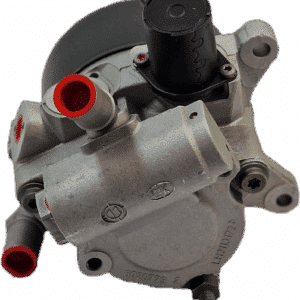
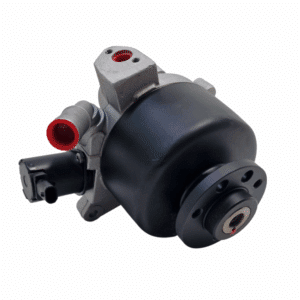
From experience, premium remanufactured gears (like those we supply at Motoqube) balance performance and cost. Each unit is fully disassembled, critical components replaced, seals upgraded, and finally pressure-tested to match OEM specs.
Why workshops prefer premium remanufactured gears
Top workshops can’t afford returns or comebacks. They demand:
- OEM-level precision: the customer must not feel any difference from factory.
- Fast availability: no multi-week waits as with OEM orders.
- Better margins: lower cost without sacrificing reliability.
- Warranty support: protects both workshop and end customer.
Our workshop partners report significantly fewer warranty claims and higher customer satisfaction with remanufactured gears compared to cheap aftermarket or partial repairs.
The installation process: what G-Class owners and workshops should know
Proper installation is crucial. It’s not just a mechanical swap—it requires:
- Careful alignment of the steering linkage.
- Correct torque specifications to avoid premature wear.
- System bleeding to remove air and ensure proper hydraulic function.
- Final test drive and steering angle calibration.
Skipping these steps risks immediate failures or steering system errors (common on modern G-Class models with electronic assistance).
Real-world insights: workshop case studies
“A customer came in with vague steering and fluid drops under his W463. We found a failing OEM gear, but he refused a new part due to cost. After installing a premium remanufactured unit, the steering feel returned to factory spec—zero issues reported over 18 months.”
“Fleet G-Class vehicles used by private security often face high wear. Our B2B clients praise the faster turnaround and lower total cost when choosing premium remanufactured units instead of waiting months for OEM supply.”
What G-Class owners ultimately gain
✅ Restored confidence and safety on any terrain.
✅ OEM-level handling feel without paying 3× the price.
✅ Warranty-backed peace of mind.
✅ Immediate availability, avoiding long downtime.
Choose wisely, drive with confidence
Your Mercedes G-Class deserves steering performance that matches its legacy. Choosing a premium remanufactured gear restores precision and safety while optimizing cost. Ready to transform your driving experience?
Looking for a premium remanufactured steering gear for your Mercedes G-Class (A4634606900)?
👉 [View product — premium remanufactured steering gear for Mercedes G-Class]





0 Comments